Download: A Texas Dairy Farmer’s Guide to Contracts
This page is a plain explainer, not a downloadable contract, and nothing here is legal advice. It covers the agreements a Texas dairy farmer is likely to sign and the questions worth asking first.
Which contracts does a dairy actually sign?
More than most people count. Milk purchase agreements, feed and commodity contracts, equipment leases and financing, land leases, labor agreements, hauling arrangements, insurance policies and service contracts all carry terms that affect your margin. Some are a page long, and some are forty.
Start by gathering every active agreement in one folder and writing the end date on the front. Many farmers are surprised how many auto-renew. A contract you forgot about can renew at terms you would not choose today.
A hypothetical example: a producer signs a feed agreement in a dry spring, then finds in the fall that the price clause works against them in a drought year. Reading how the clause handled big swings would have shown the risk.
What should you look for in a milk supply agreement?
The pricing formula comes first. Ask how the pay price is calculated, what premiums and deductions apply, how components are measured and who tests. Then look at the term, termination, quality standards and what happens if the plant cannot take your milk.
Ask whether the buyer can change terms and how much notice you get. The market information from USDA Dairy Market News and USDA AMS can help you understand what the formulas reference. Your cooperative or buyer should be willing to explain the details in plain language.
- How is the pay price calculated?
- What premiums and deductions apply?
- How long is the term and how can it end?
- What if the plant cannot take my milk?
- How is a dispute handled?
Feed, equipment and lease agreements
Feed contracts lock in price or supply, and they can help or hurt depending on the market. Read how delivery, quality, shortfalls and price changes are handled. Equipment leases and financing deserve a hard look at total cost, not only the monthly payment.
If you are comparing financing, the consumer information at the CFPB and the lender pages at Farm Credit can help you learn the vocabulary. Check current terms with each lender yourself. This farm money guide and this equipment guide cover the cost-of-ownership side.
Red flags worth a second look
Be careful with clauses that let one side change terms without notice, penalties that look out of proportion, requirements to buy from one supplier only and anything that makes it hard to leave. Vague language is also a flag, because it often benefits the party that wrote it.
If you feel rushed, slow down. A fair partner will give you time to read and to ask a lawyer. Pressure to sign today is a reason to look harder.
Ask for any verbal promises to be written into the document. If a salesperson says something is included, it should appear on the page.
When is it time to call an attorney?
Any contract with large dollar amounts, long terms, personal guarantees or land involved should be reviewed by a licensed attorney. A review is usually much cheaper than a dispute, and it gives you bargaining power to ask for changes.
Agricultural law is a specialty. Ask neighbors, your lender or Texas Farm Bureau for names. Texas A&M AgriLife Extension also offers educational material on agricultural business topics, though educators do not give legal advice.
Negotiating is allowed
Many farmers treat a contract as take it or leave it. Often it is not. Buyers and suppliers know terms can be adjusted, especially around notice periods, pricing review dates and renewal language. Ask politely and in writing, and see what you get.
Even when nothing changes, asking helps you understand what the other side cares about. Keep a copy of the final signed version and note any side agreements. If someone changes jobs at the buyer, the paper is what remains.
If the relationship matters, which it usually does in a small dairy community like Stephenville, keep the tone friendly and the facts clear.
Build your own contract tracker
Because there is no downloadable file here, make a simple tracker. A spreadsheet works: one row per contract, with counterparty, purpose, start and end dates, renewal terms, notice period and a note about who to call. Set calendar reminders ninety days before any renewal date so you have time to renegotiate.
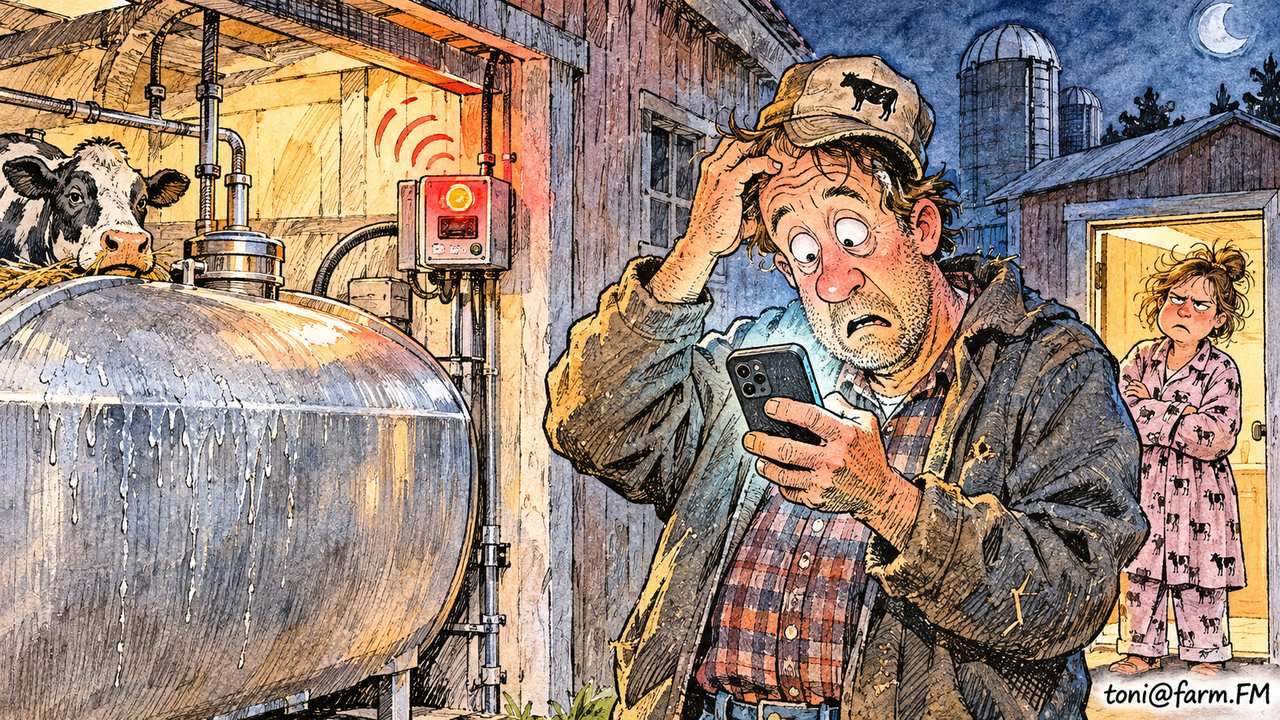
Over at farm.FM they poke fun at fine print in the farm satire section, and the dairy page keeps things lighter. One story, a farm.FM piece on contracts, is a reminder to read the small type.
Sources and further reading
- USDA Dairy Market News: weekly dairy price reports
- USDA AMS: marketing and market news
- CFPB: consumer finance protection
- Farm Credit: cooperative agricultural lending network
- Texas Farm Bureau: state farm organization
- Texas A&M AgriLife Extension: Texas extension service
Ask locally: A licensed agricultural attorney and your milk buyer's or cooperative's field representative can each explain the terms in your agreements.