Leprino Nutrition’s Lubbock Whey Expansion: A Case Study
Whey was once a disposal problem and is now a product with its own markets. This case study explains how a whey expansion fits into dairy economics in general terms, and leaves project specifics to the company and official sources.
What is whey and why does it matter?
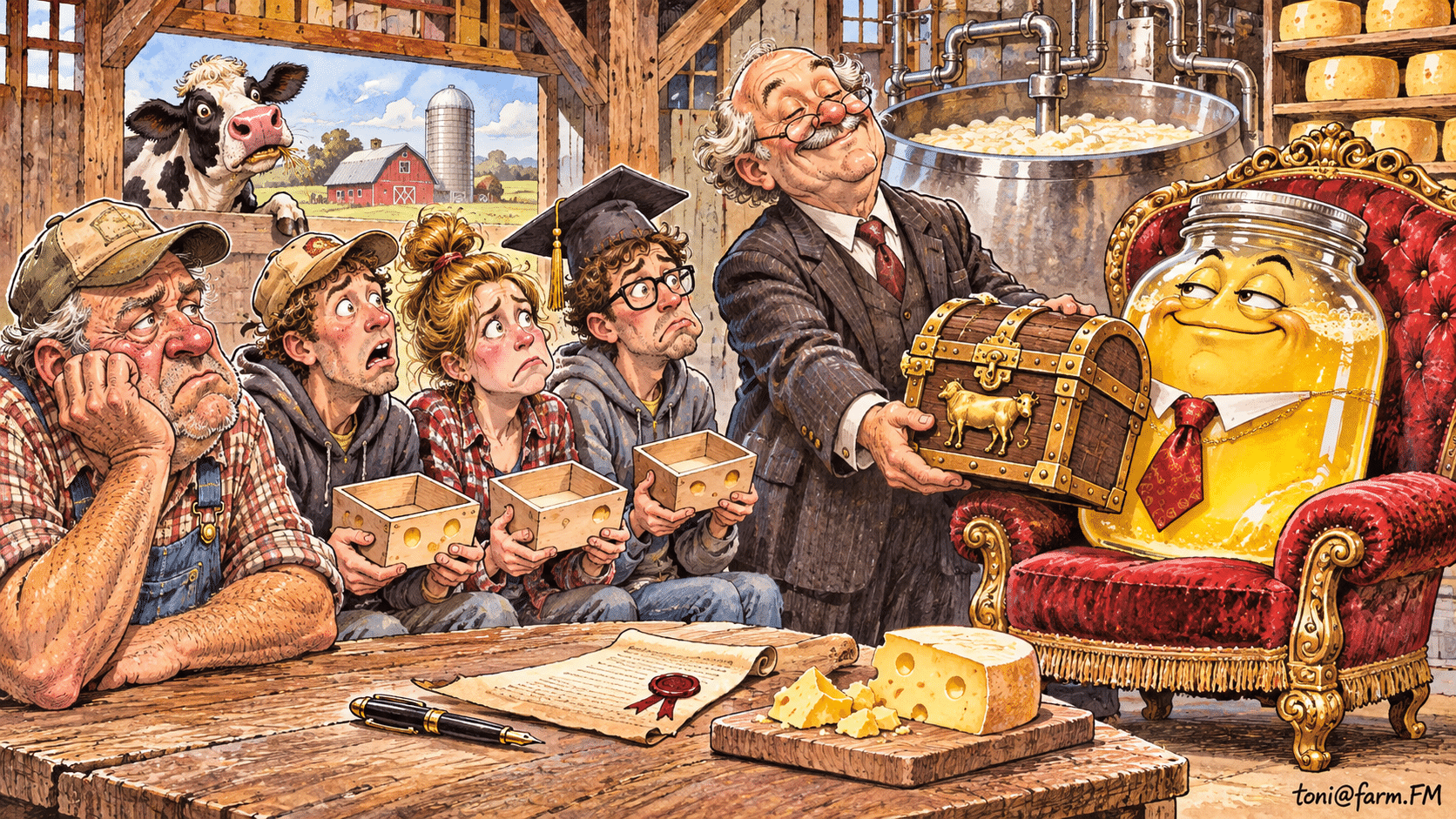
Whey is the liquid left after cheese is made. It carries protein and other solids that are dried and used in nutrition products. Because whey comes from cheese, a whey plant usually sits near a cheese plant and depends on its output.
Whey markets have their own prices, which are tracked in reports like USDA Dairy Market News. When whey prices are strong, they can add value to every hundredweight of milk used for cheese.
A useful comparison is a farm's own byproducts. Manure was once just a disposal problem and now has value as fertilizer and energy feedstock. Whey followed a similar path, and the lesson is that value often hides in what everyone else throws away.
How should you read a project announcement?
Project details such as size, investment and timing are as reported by the company and officials, and we do not restate them. Treat announcements as claims to verify, and check official filings, company statements and local government records.
Ask what the project is expected to do with milk supply, water and wastewater. TCEQ permits and water planning information are good places to look for the practical side.
A realistic case study asks three questions of any project: what problem does it solve, who pays for it and who benefits? Keep those in mind as you read news about the plant.
- Company statements
- Permits and filings
- Local government records
- Trade press
How does a whey plant connect to producers?
A whey plant does not buy milk directly. It processes a byproduct of cheese, so its effect on you comes through the cheese plant's demand for milk. If the whole operation is more valuable, a cheese plant may be willing to pay for or look for more milk.
That link is not guaranteed. Prices, contracts and capacity all matter. Ask your buyer how whey values flow into the milk price you receive.
Understanding product mix is valuable. If cheese is the main product, then the cheese market, not whey alone, drives milk demand, and a weak cheese price can outweigh a strong whey price.
Why does the High Plains location matter?
The Texas High Plains has become a major dairy region, and processing investments shape how milk is used there. Lubbock and nearby counties draw on a large milk supply and a strong feed base.
Water is a central concern in this region. Producers and processors rely on the Ogallala Aquifer, and conservation matters. USDA NRCS and Texas A&M AgriLife Extension offer technical help.
The High Plains also has a long growing season and large feed supplies, which lowers some costs, though drought can change that quickly. Check Drought.gov for conditions that affect feed and water.
What should a producer ask?
Ask your buyer whether components, quality and delivery schedules will matter more under new processing. Ask about expansion plans and about contract changes. Ask your lender how they treat dairy cash flow in a volatile market.
For basic guidance on budgeting, use the farm money guide, and check what the Dallas Fed says about the regional economy.
Dairy exports are part of whey's story, since much dried whey protein is sold abroad. The U.S. Dairy Export Council tracks export markets, and trade conditions can shift demand.
What can others learn from this case?
Treat any announcement as a prompt for questions, not a conclusion. Verify, read the permits, talk to your buyer and run your own numbers.
For a lighter look at dairy economics, try a farm.FM story on whey and cheese or browse the dairy section and agribusiness stories. They are good for a laugh after a long budgeting session, and the dairy herd care guide covers practical herd topics.
How can you apply this case to your own decisions?
Pick a dairy decision you are considering, such as adding cows or changing your marketing, and run it through the same checklist. Verify the facts, test your numbers at lower prices and ask your buyer for terms in writing.
Case studies are teaching tools, not forecasts. They help you ask better questions. Talk with an extension economist, and consider reading the USDA Economic Research Service dairy background materials to understand the national picture.
Sources and further reading
- USDA Dairy Market News: weekly dairy price reports
- TCEQ: Texas environmental regulator
- Texas Water Development Board: water planning and funding
- USDA NRCS: conservation programs and technical help
- Texas A&M AgriLife Extension: Texas extension service
- Dallas Fed: regional economy including Texas and Oklahoma
Ask locally: Ask your milk buyer and a Texas A&M AgriLife Extension economist how whey and cheese values flow into pricing.