Hiland Dairy’s Tyler Expansion: What It Means for Local Producers
When a processor expands in your region, producers wonder whether it means more milk checks or more competition. This page explains the questions to ask, and leaves plant specifics to the company and official sources.
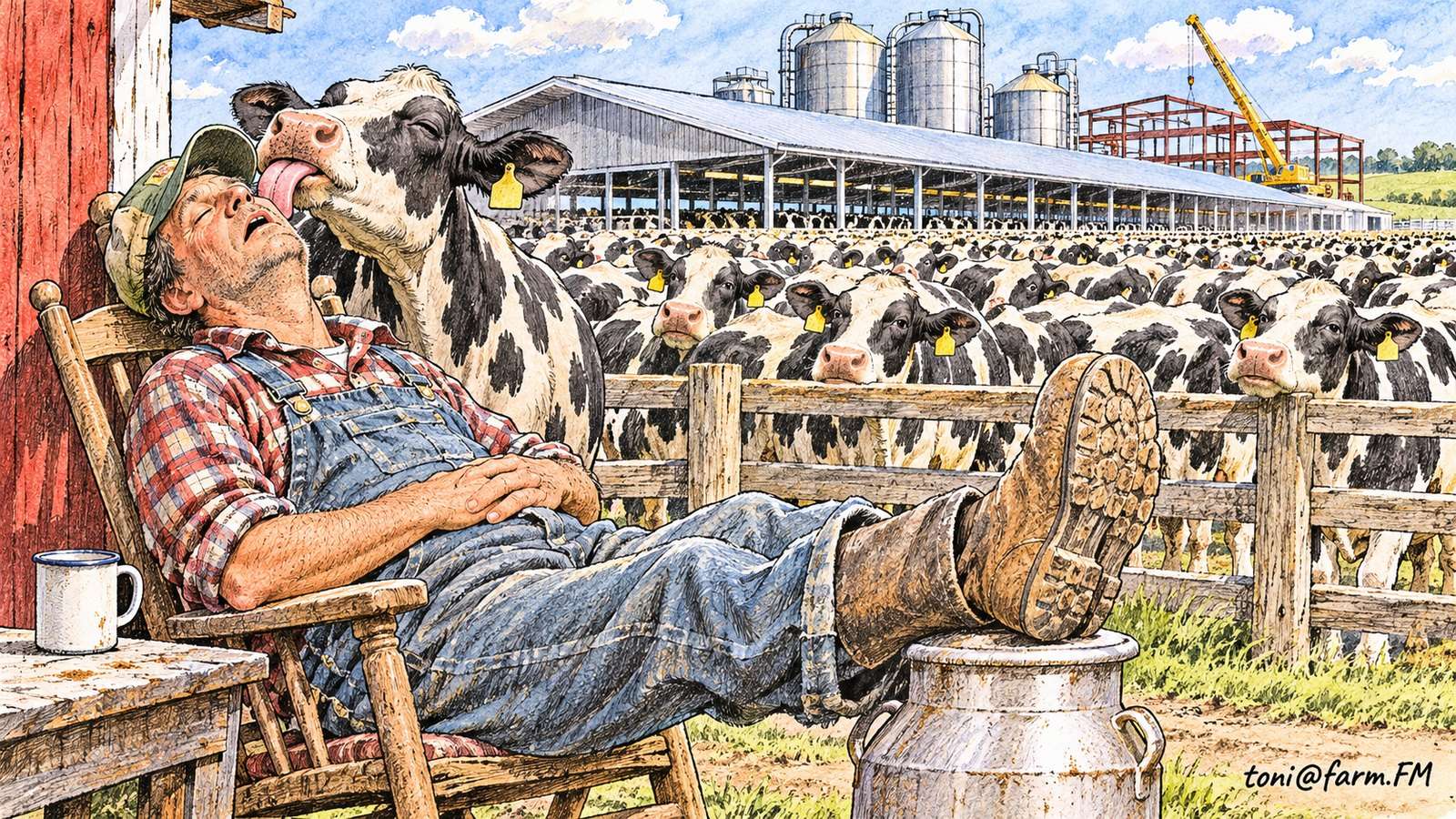
What does an expansion usually involve?
Expansions can mean new equipment, additional product lines, more storage or higher capacity. They may also come with hiring and new supply needs. The details of the Tyler project are as reported by the company and local officials, so confirm them there.
This page does not repeat figures about size, cost or schedule. Read the company's statements and local public records for those.
Be careful not to confuse expansion of a brand with expansion of a particular plant. Companies operate many facilities, and announcements sometimes cover several locations at once. Read the details and confirm which site is involved.
Why would a processor expand?
Processors expand when they see demand for products, want to use milk more efficiently or need to replace older equipment. Products matter: fluid milk, cheese, butter and ingredients each have different economics.
Producers should understand the product mix because it affects how a plant values milk. Components, quality and delivery timing may matter more at a cheese plant than at a bottling one.
For fluid milk, plants care about reliable volume year round, since stores expect shelves to be full every day. That can favor producers who deliver steady supply and good quality, and it is worth asking how the plant views seasonal swings.
What might it change for East Texas producers?
Possible effects include new demand for milk, different premium structures and new hauling patterns. They are possibilities, not promises. Only the buyer can say whether it will take on new suppliers.
If you ship to this plant now, ask how the expansion affects your volume and pricing. If you ship elsewhere, ask whether your buyer expects competition for milk.
Ask about the timeline too. A producer who plans around a date that slips can be left holding extra cows. Companies can describe their schedules, but you should treat dates as targets until you see operations underway.
- Volume: will the plant need more milk?
- Price: how are premiums and deductions set?
- Hauling: who pays and from where?
- Contract: term, exclusivity and exit terms
How do you evaluate a contract offer?
Read every page. Look at pricing formulas, base and overbase programs, quality standards, deductions, payment timing and termination terms. If anything is unclear, ask for it in writing.
Have an attorney or an experienced advisor review a major contract. Texas A&M AgriLife Extension economists can explain pricing formulas, and the National Milk Producers Federation publishes background on milk marketing.
Also ask who pays for hauling and how routes are set. A plant that wants more milk may adjust routes, and your hauling deduction can change as a result. Small adjustments add up over a year.
What about your own finances?
Expanding your herd to chase a new market is a big step. Run a budget at today's price and a lower price, include feed, labor and interest, and see whether the farm survives the low case. Talk to lenders such as a local bank, credit union or Farm Credit association. This is general education, not financial advice.
The farm money basics guide explains budgeting and borrowing in plain terms, and FSA loan information covers another option to compare.
If you are interested in learning how the milk check is built, the USDA marketing pages and Dairy Market News explain the federal pricing system in general terms. Confirm any current rule or formula there.
How do you stay informed?
Check company announcements, local news and your co-op's communications. The Dairy Market News reports help you see market conditions that sit behind a buyer's decisions.
A little humor helps too. Farm.FM often covers dairy business with a wink, and you can try a farm.FM story on dairy processors or the dairy section and agribusiness coverage. Read the facts first, then enjoy the joke, and see the dairy herd care guide for operations tips.
What about the community and the workforce?
Expansions often bring hiring, and plants compete with farms for workers. If you employ people near Tyler, expect some competition for skilled labor and think about how to keep your best employees. The Texas Workforce Commission has employer tools that can help with hiring and training.
Good relations with neighbors also matter. Plants and farms share roads, water and reputations, and a cooperative approach to local issues usually serves both. Attend a community meeting and listen first.
Sources and further reading
- Texas A&M AgriLife Extension: Texas extension service
- National Milk Producers Federation: dairy cooperatives and policy
- Farm Credit: cooperative agricultural lending network
- FSA Farm Loans: FSA direct, guaranteed, microloan and emergency loan information
- USDA Dairy Market News: weekly dairy price reports
- Dairy MAX: dairy promotion in the Southwest
Ask locally: Your co-op field representative and your lender can explain how a processor expansion might affect your contract.