Download: Texas Dairy Export Opportunities
There is no downloadable export report on this page. What follows is a practical way to think about export opportunities for Texas dairy and a checklist for finding the real data.
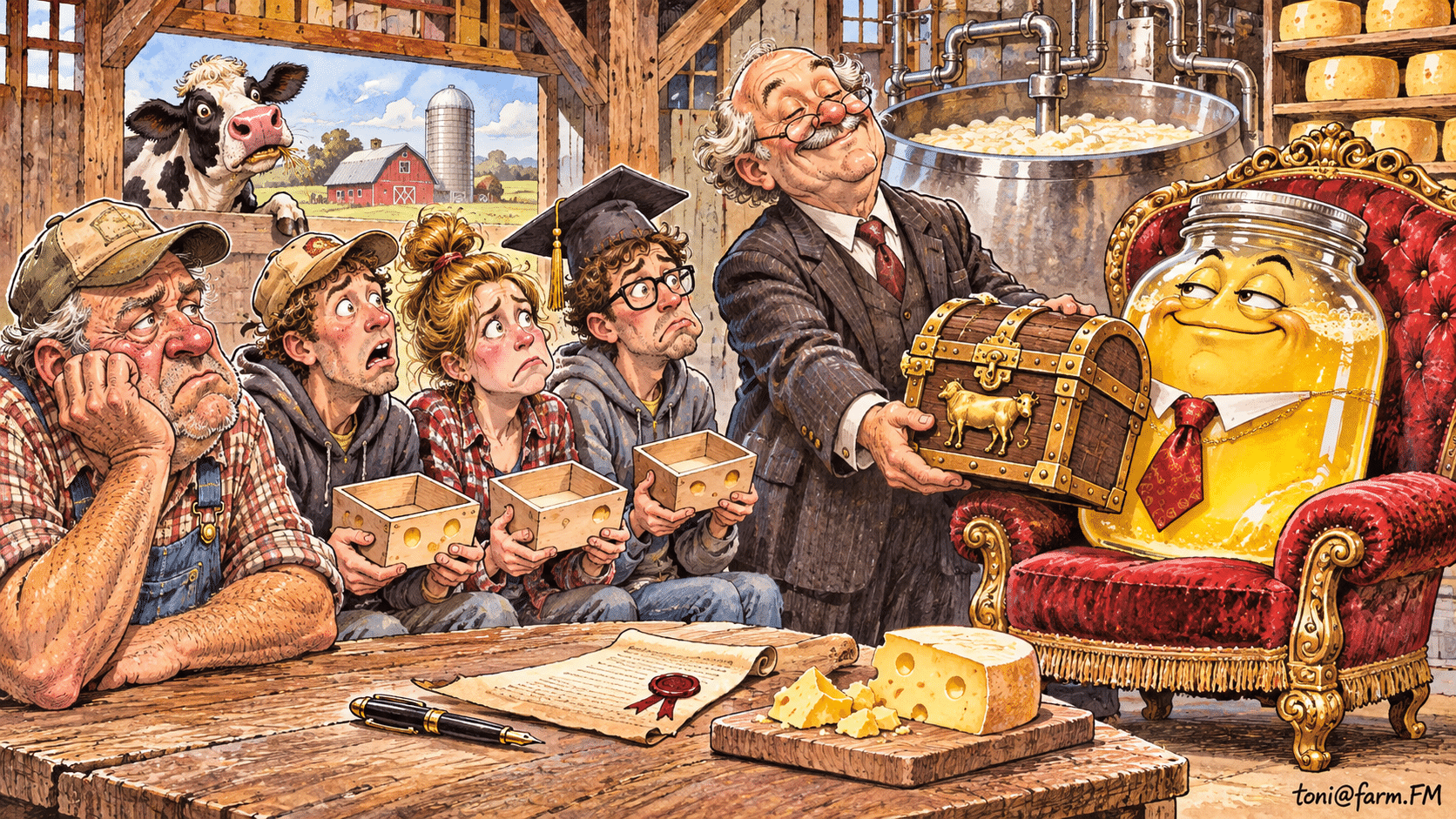
Where does the real export information live?
Export data and market guidance come from government and industry groups. The USDA Foreign Agricultural Service publishes market reports, the U.S. Dairy Export Council follows dairy sales abroad, and the International Trade Administration offers help to businesses that want to export.
This site is independent and does not host an export report. If you saw figures attributed to one, check them at the original source.
Keep a short list of contacts: your buyer's marketing person, a trade agency advisor and your Extension agent. A five minute call often clears up what hours of reading cannot.
Most dairy farms export indirectly
A typical Texas dairy farm does not ship product overseas itself. Its milk goes to a plant, and the plant or a marketer sells cheese, whey, powder or other products abroad. The farm benefits when export demand lifts prices or keeps plants running.
That means your closest export question is for your buyer: how much of what they make leaves the country, and where do they see growth or risk?
If your cooperative or buyer is a member of an export trade group, ask what services that gives them. Some provide market research that individual farms could never afford alone.
Products that tend to be exported
Ingredients like whey proteins, milk powders and some cheeses are common export items because they store and ship well. Fresh fluid milk is harder to move over long distances. A plant's product mix therefore shapes how exposed it is to world markets.
Look at the product list of your buyer and think about where each item sells. Hypothetically, a plant making mostly fluid milk will care more about local demand than export prices.
Another habit worth building is to read one market report a month, even a short one. Over a year you will begin to recognize which headlines matter to dairy and which are noise.
Rules and paperwork for exporters
Exporting dairy involves health certificates, plant approvals and customs rules that vary by destination. The FDA and CBP explain parts of the process, and the International Trade Commission lists tariff data.
Small processors in Texas who want to explore export can start by contacting the Texas Department of Agriculture about state trade support and the SBA about export financing counseling.
Remember that every country sets its own rules, and they can change with little notice, so confirm before you assume a market is open.
- Confirm the destination country's import rules.
- Check plant approvals and certificates.
- Compare freight, insurance and payment terms.
- Talk to an export advisor before committing.
Risks to weigh
Export markets can shift with tariffs, currency moves, disease outbreaks and trade disputes. A buyer in one country can disappear when a rule changes. That volatility reaches farm milk checks, sometimes with a delay.
Spread your own risk by understanding how your pay price is built, keeping a cash cushion, and checking insurance and margin programs. The farm money guide has budgeting tips for uneven income.
Currency matters too. A stronger dollar can make American products more expensive overseas, which can cool demand, while a weaker dollar tends to help. The Federal Reserve publishes exchange rate data you can browse.
A simple checklist for judging an export claim
When someone says a market is a big opportunity, ask four things. Which product, which country, what rules and what price? Opportunity stories often skip the rules and the price, which are exactly where deals succeed or fail.
Then ask who benefits. A new market may help a processor much more than a farm, or the other way around. Understanding where the money lands tells you whether to pay attention.
Do not forget the basics at home. A healthy herd and steady milk quality are what make any buyer, domestic or foreign, want your milk in the first place.
Next steps for Texas producers
Ask your buyer about their export mix, subscribe to the weekly market reports and follow the trade council's updates. Your AgriLife Extension contact can help you interpret them. The dairy herd guide is useful for the production side.
Over at farm.FM the agribusiness page and dairy section follow trade stories, and a farm.FM piece on dairy export markets adds context.
Sources and further reading
- USDA Foreign Agricultural Service: export markets and trade data
- U.S. Dairy Export Council: dairy exports
- International Trade Administration: export help for U.S. businesses
- FDA: food and drug safety
- U.S. Customs and Border Protection: import and export rules
- Texas Department of Agriculture: state agriculture agency
Ask locally: Ask your milk buyer about its export mix, and contact the Texas Department of Agriculture or an Extension agent for trade help.