The Texas Dairy Industry’s Agritourism Potential
Agritourism invites the public onto the farm, which can bring income and goodwill. This article looks at the opportunities and risks for a Texas dairy, without promising results or quoting figures, and points you to the official sources to confirm rules.
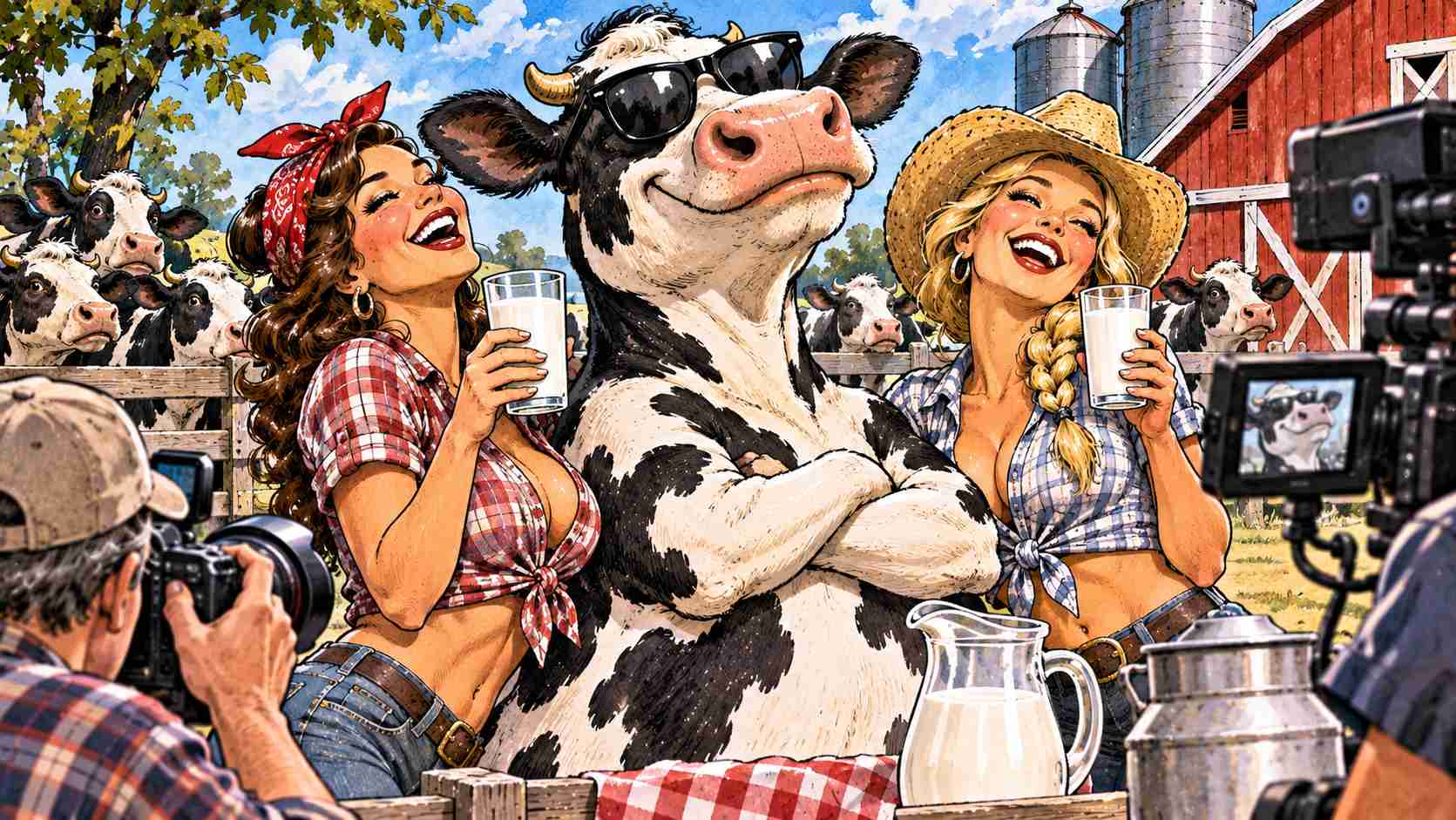
What is agritourism for a dairy?
It means welcoming visitors for tours, tastings, events, school field trips, farm stays or a farm store. The visitor learns where food comes from, and the farm earns income.
Around Stephenville and Texas dairy country, visitors range from nearby families to travelers on a weekend drive.
Done well, it also tells the dairy story in your own words.
What kinds of activities can work?
Choose activities that fit your space, staff and personality. Not every dairy needs a pumpkin patch. Here are common ideas to weigh:
Walk your farm as a stranger would. Look for places a child could climb, slip or wander into trouble, and for places where a visitor could stumble into a restricted area. Fix them or fence them off before the first guest arrives.
Decide how often you can host. A tour every day wears out the crew, while a few special weekends can feel fresh. Match the schedule to the milking and feeding schedule, not the other way around.
- Guided barn tours and calf visits where safe
- Tasting of products where licensed
- School and group field trips
- Seasonal events and markets
- Farm store and cafe
- Photography and small gatherings
What are the risks?
People and cows mix poorly when nobody manages it. Visitors can be hurt, bring in disease or leave gates open. Liability, biosecurity and food safety all matter.
Talk with your insurance agent early, because many farm policies limit coverage for visitors. For workplace and safety guidance, see OSHA, and the farm safety pointers at this farm safety guide apply to visitor areas too.
Written waivers and clear signs help, but they do not replace good safety design. Ask your attorney and your insurance agent what they recommend, and keep records of every visitor group. Have a plan for emergencies, with a first-aid kit, a staff member who knows CPR and clear directions for 911 callers. Practice the plan with your crew.
What rules should you check?
Rules differ depending on what you do. Food sales, signage, parking, restrooms and local zoning may all come into play. Start with the Texas Department of Agriculture, then call your county and city offices.
For tax questions about extra income, see the IRS and talk with your accountant. Verify every rule, because this page cannot tell you what applies to you.
Check parking, restroom and accessibility needs. Visitors with strollers or wheelchairs should be able to enjoy the farm too, and local rules may require it.
How do you protect the herd?
Biosecurity does not stop at the gate. Keep visitors away from sick animals, fresh cows and young calves unless your vet says it is safe. Provide handwashing, clear paths and signs.
Look at animal health rules with the Texas Animal Health Commission, and talk with your vet about your tour route. The herd health basics help you plan.
Wash stations, boot covers and clear signs help keep your herd healthy. Make sure staff are trained to politely enforce the rules.
How do you decide if it pays?
Count staff time, insurance, upgrades, marketing and lost milking efficiency. Compare that with realistic visitor numbers, not hopeful ones. Start small and measure.
USDA Rural Development and the SBA offer information on business resources, so check what is current. Local tourism offices and chambers can help with promotion and may know what is working in your area.
Ask visitors for feedback and track what they say. Many farms find that a small, well-run offering beats a big, messy one.
Where can you get ideas and a smile?
Visit farms already doing it and ask frank questions. Texas A&M AgriLife Extension may have education on farm business ventures.
farm.FM has dairy stories and satire and farming stories, plus a farm.FM story on farm tours that fits here. Think about how much of your day you want to spend as a host.
Whatever you choose, be honest in your marketing. A visitor who finds a calm, clean barn and friendly host will tell friends, and that word of mouth is worth more than any ad.
Sources and further reading
- OSHA: workplace safety
- Texas Department of Agriculture: state agriculture agency
- IRS: federal tax guidance
- Texas Animal Health Commission: animal disease rules
- USDA Rural Development: rural business and community programs
- SBA: small business loans and counseling
Ask locally: Call your insurance agent, your county office and your AgriLife Extension office before you invite visitors.