The Future of Texas Dairy: A 2027 Forecast
A forecast for 2027 is a set of assumptions dressed up as a number. This guide explains the drivers behind a forecast for Texas dairy and how to plan when nobody really knows what comes next.
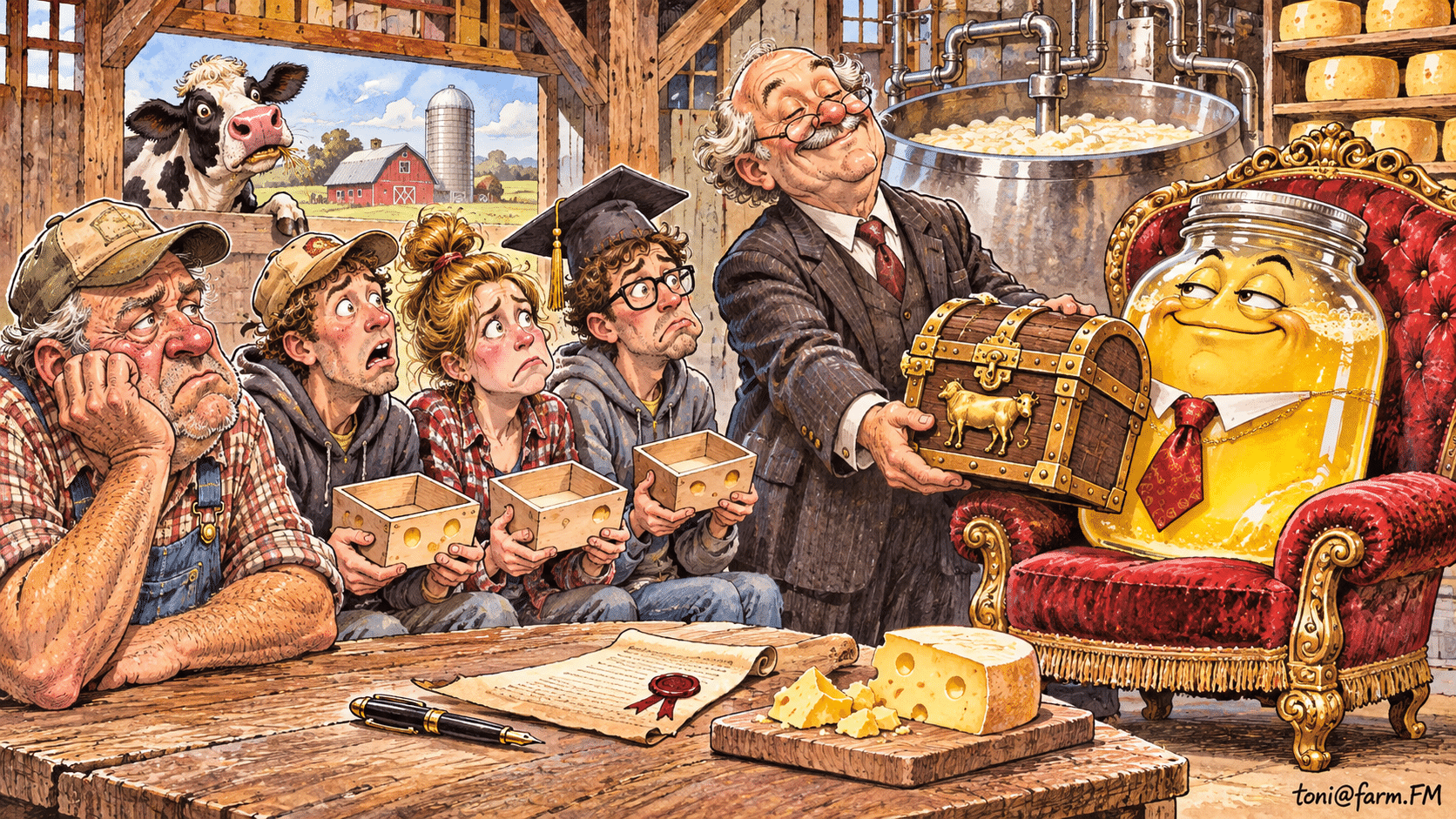
What can a 2027 forecast really tell you?
Forecasts combine current conditions with assumptions about prices, weather, policy and demand. They are most useful for showing direction and risk, not for predicting an exact number. Any figures reported for 2027 in the headline should be checked at the agency or group that produced them.
Compare several forecasts when you can. When they disagree, the disagreement itself tells you where the uncertainty sits.
Look at who produced the forecast and why. A government agency, a university, a trade group and a bank each have different purposes, and knowing the purpose helps you weigh the message.
The big drivers for Texas dairy
Milk prices, feed costs, interest rates, labor, weather and trade tend to shape results. In Texas, drought and heat can hit forage and cow comfort, and feed grain prices move with national and global crops.
Policy matters too. Programs like Dairy Margin Coverage can change the risk picture, so confirm current rules before building a plan around them.
Weather is the wild card for Texas. A hot, dry year can reshape feed prices and cow performance more than any policy shift, so your plan should include a drought and heat stress response.
- Milk price and component values
- Feed and forage costs
- Interest rates and credit
- Labor availability and wages
- Drought, heat and disease
Where forecasts come from
The USDA Economic Research Service and Dairy Market News publish outlooks and market data, and universities such as farmdoc daily analyze farm economics. The Dallas Fed follows the regional economy, which affects Texas credit and labor.
Industry groups like NMPF add a producer perspective. Read the assumptions section first, since it tells you what has to happen for the forecast to hold.
Be sure to check the date a forecast was published. An outlook written before a big shift in prices or policy can be outdated within weeks.
Plan with ranges instead of one number
Build a budget with a low, middle and high case for milk price and feed cost. See whether you can make payments in the low case, and decide in advance what you would cut or delay if it arrives.
If a downturn would squeeze you, talk to your lender early. The farm money guide walks through cash flow planning, and the herd side is covered in the dairy herd care guide.
Write the plan down with trigger points. For example, if feed cost passes a level you choose, you review the ration; if cash falls below a threshold, you call the lender. Triggers turn worry into action.
Technology, labor and succession
Long-term outlooks often point to bigger herds, more automation and fewer farms. Whether that fits your family and your community is your call. Succession planning, hiring and equipment choices all carry long lead times, so start before the forecast year arrives.
A farm in Stephenville has different options than a smaller one in the Hill Country, so check your own margins before copying someone else's plan.
Think too about how much debt a new barn, robot or parlor would add. A forecast that looks good can still leave a farm exposed if the loan payments are sized for the best case.
What stays the same whatever the year
Cows still need good feed, clean water, comfortable housing and attentive care. Herds that do those things well tend to hold up better in any market. Cost control, herd health and good records are not forecast-dependent.
Relationships matter too: with your buyer, your lender, your vet and your neighbors. When forecasts miss, those relationships are the safety net. The 2027 date will arrive either way, so use the time before it to strengthen them.
If a forecast makes you anxious, talk to someone. Farm stress is real, and calling or texting 988 is always an option.
Keep a healthy skepticism
Every generation of forecasts has been wrong about something, which is why farmers stay cautious. If a prediction sounds too certain, it probably is. At farm.FM they have been joking about the confidence of predictions for years, and it is worth a read at farm satire.
For more serious coverage, see the agribusiness section and a farm.FM story on the dairy outlook.
Sources and further reading
- USDA Economic Research Service: farm economy data and analysis
- USDA Dairy Market News: weekly dairy price reports
- farmdoc daily: University of Illinois farm economics
- Dallas Fed: regional economy including Texas and Oklahoma
- National Milk Producers Federation: dairy cooperatives and policy
- Dairy Margin Coverage: FSA Dairy Margin Coverage program
Ask locally: Talk with your lender, milk buyer and AgriLife Extension dairy contact about the assumptions that matter most for your farm.