The Texas Dairy Industry’s Farmer’s Market Guide
A farmers market is a good way to meet customers and a tough way to sell dairy. Here is what a Texas producer should check before renting a booth.
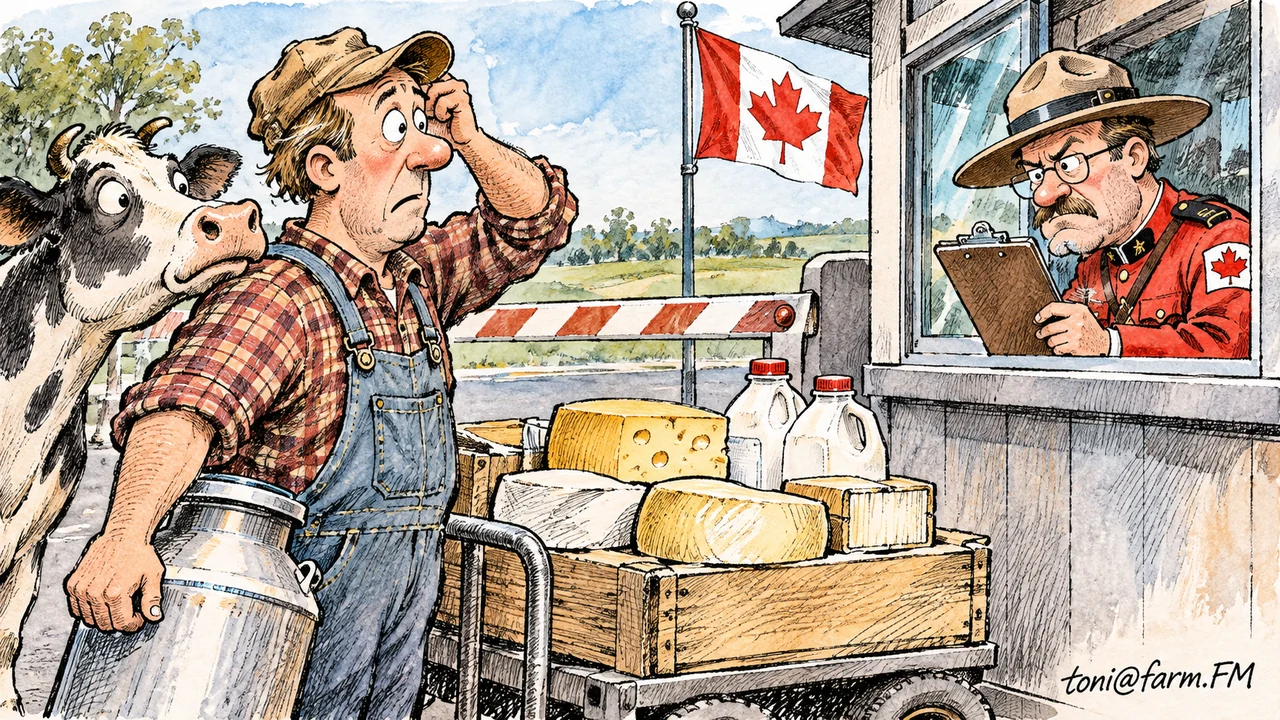
Is a farmers market right for a dairy?
Markets offer face time with customers, immediate feedback and the ability to tell your story. They also take labor, cold storage and regular Saturdays. For a dairy already busy with milking, that can be a lot.
Be honest about whether you have the time, the product and the permissions. A market that works for a vegetable grower may not work for fluid milk or cheese.
Be sure you know when the market is open, and how early you must arrive. A good market spot at a bad hour can be worse than a so-so spot at a good one.
What rules apply to selling dairy at a market?
Dairy is a regulated food, and the rules for selling it directly depend on the product. Many markets also have their own vendor rules. Contact the Texas Department of Agriculture and your county or city health office before you pay for a booth.
Federal information from the FDA covers general food safety, and USDA has local food resources. Rules change, so check current requirements and do not rely on a neighbor's memory of how it used to work.
Some markets ask for proof of insurance and permits at sign-up, so gather your paperwork before the application deadline. If you need small-business help, the SBA offers general information, and the IRS explains how to treat sales income.
- Product type and any required license or inspection
- Labeling requirements
- Temperature control at the booth
- Market vendor application and fees
- Insurance
What equipment do you really need?
Cold storage is the big one. You will need to keep products cold from the farm to the table and through a hot Texas morning. Think about reliable coolers, thermometers, hand washing and a clean setup.
Start with the smallest sensible setup and add equipment as sales justify it. Borrowing or renting for a trial season beats buying a trailer in week one.
Weather is a real factor in Texas. Shade, wind and heat all change how you set up, and a sudden storm can ruin a booth if you have not planned for it.
How should you price products at a market?
Start with your costs: product, packaging, labor, market fees, travel and your time. Add a margin you can live with. Then look at what shoppers at your market actually pay for similar items, and consider whether your product is distinct.
Avoid racing to the bottom. Customers at a farmers market generally expect to pay for quality, but they also notice value. This farm money guide and this small farm guide include budgeting ideas that fit a direct-sales plan.
Choosing the right market near Stephenville
Visit first. Walk through a few markets in and around Stephenville and the wider region, talk to vendors, count traffic and see what is already sold. A market with ten cheese sellers may not need an eleventh.
Ask market managers about vendor rules and waiting lists. Your county AgriLife Extension office often knows which markets are growing.
Customer service and repeat business
Markets run on repeat customers. Learn names, remember what people bought and tell them what is coming next week. A friendly, clean booth with clear signs and a card with your farm contact does more than any discount.
Be ready to answer questions about your cows, your milk handling and your products. People ask, and honest answers build trust. If you do not know something, say so and promise to find out.
Take notes after every market on what sold, what did not and what people asked for. Over a season, those notes become your plan for next year.
A starter checklist and a smile
Write down your answers to these questions before you commit, and keep them with your business records. Revisit them after a season.
For a break, farm.FM has a dairy section and food stories, and a friendly piece on a farm.FM take on farmers markets is worth a read.
- Do I have the permissions I need?
- Can I keep product cold all morning?
- Have I priced from real costs?
- Who minds the farm while I am at the market?
- What will I try for one season and review?
Sources and further reading
- Texas Department of Agriculture: state agriculture agency
- FDA: food and drug safety
- USDA: U.S. Department of Agriculture
- Texas A&M AgriLife Extension: Texas extension service
- SARE: sustainable agriculture research and education
- IRS: federal tax guidance
Ask locally: The Texas Department of Agriculture and the market manager at your chosen market can confirm vendor and product rules.