The Texas Dairy Industry’s Data Privacy and Security Guide
Modern dairies run on data, from milk records and sensor feeds to payroll and loan files. This guide explains who might want that information, how to protect it and what to ask technology vendors, in plain terms and without legal advice.
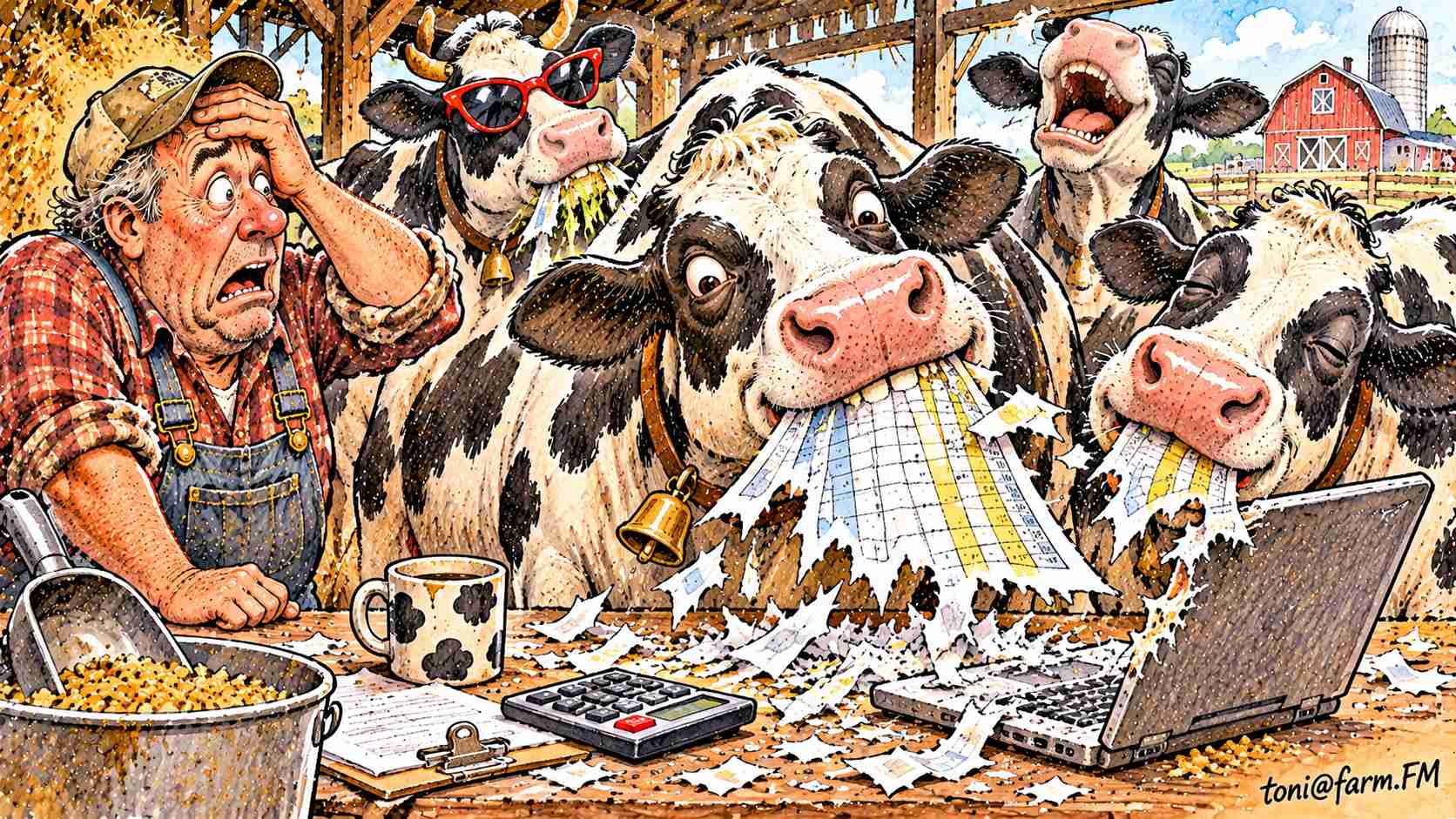
What data does a dairy hold?
More than most owners realize. There are herd records, milk and health data, breeding information and ration formulas. On the business side, there are payroll, tax and bank records, plus personal details about employees and family.
Sensors, apps and cloud services add more, often stored by someone else.
In Stephenville and across the state, many dairies are small family businesses without an IT department, which makes basic habits even more important.
Who might want your data, and why?
Criminals want money, so they target bank accounts, payroll and email. Competitors may be curious about your costs. Vendors may want to use your data to improve products or sell services.
None of that makes technology bad, but you should know who has access.
Do an honest inventory this month. Write down every app, device and account, who has the login and what data each holds. You cannot protect what you have forgotten.
What basic protections work best?
Most problems come from simple lapses. Strong passwords, two-step sign-in and updates cover a surprising amount. Use the checklist below as a start:
Use the checklist as a monthly ten-minute routine. Security habits stick when they are small and regular, not heroic once a year.
Add a short written policy for phones and tablets used in the barn, since devices get lost, dropped and left in trucks. A lock code and the ability to wipe a lost phone remotely are simple steps with a big payoff.
- Use a password manager and unique passwords
- Turn on two-step sign-in for email, banking and farm software
- Keep devices and software updated
- Back up important files to two places, one off the farm
- Limit who can see payroll and banking records
- Train workers to spot suspicious messages
How do you spot scams?
Fake invoices, urgent requests to change payment details and messages that pretend to be from a bank or supplier are common. When in doubt, call the person on a number you already know.
For consumer protection information and how to report fraud, see the CFPB and the FDIC, and review general financial safety guidance. For tax scams, the IRS publishes warnings.
If you handle payments, be wary of anything that creates urgency. A real supplier will not mind a callback. A scammer will push you to act now.
What should you ask technology vendors?
Ask who owns your data, where it is stored, whether it is shared or sold, and what happens if you cancel. Ask whether you can export it in a usable format. Read the privacy terms, especially for sensors and apps.
Industry data principles exist, and you can ask whether a vendor follows them. Raise questions with Texas A&M AgriLife Extension too, as they see many tools. The tractor and equipment guide may help when machines come with connected features.
Keep copies of vendor contracts and note renewal dates. Many agreements renew automatically and change terms with little notice.
How do you protect employee and family information?
Hired workers trust you with identity documents, bank details and addresses. Store them securely and share only what is needed. Paper files should be locked, and digital files should be protected.
The U.S. Department of Labor and the Texas Workforce Commission cover employer records rules. Ask about how long to keep documents. The money habits at the farm money guide also help.
Teach younger family members what to look out for too. They may be the most online people on the farm, and also the most targeted by messages that look friendly.
What if something goes wrong?
Have a plan. Change passwords, call your bank, tell your insurer and consider reporting the incident. Keep notes of what happened and when. If personal data was exposed, speak with an attorney about your duties.
farm.FM runs farm news and satire and farm economics stories, and has a farm.FM story on farm data that makes a good break between lessons.
Security is about reducing risk, not about perfection. A few habits stop most trouble.
Sources and further reading
- CFPB: consumer finance protection
- FDIC: deposit insurance and bank information
- IRS: federal tax guidance
- U.S. Department of Labor: labor rules and programs
- Texas Workforce Commission: employment and labor programs
- Texas A&M AgriLife Extension: Texas extension service
Ask locally: Ask a trusted local IT person, your bank and your AgriLife Extension office to review how your dairy handles data.